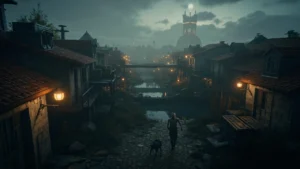
The WoW Classic Tailoring Guide for Beginners

Why Do You Need a WoW Classic Tailoring Guide?
Tailoring professional WoW Classic isn’t just another trade. It’s a game-changer for those players who want their journey to run smoother. Whether you’re a mage, warlock, or priest, tailoring unlocks access to important gear that you can make yourself. It’s like your own arsenal on tap. You don’t have to rely only on the dungeon loot or the shaky auction house. With a tailoring skill, you have control over your progression. If you’re a newbie, tailoring can seem overwhelming. Recipes, ingredients, and leveling paths are quite confusing if you don’t know where to begin. That is why the Asami Games teams decided to compile a WoW Classic tailoring guide.
But there’s more to tailoring than just making awesome gear you can wear. Handmade bags are, for instance, always in short supply, especially early in the game. Bag sales can pay for your trips, whether it’s for a mount or just to pay for the equipment repairs. And there is something about tailoring that works fine with enchantments.
Benefits of the Tailoring Profession in WoW
Tailoring is one of the most versatile and interesting careers in WoW Classic. Cloth armor, luggage bags and cosmetic products such as shirts are made by tailors. Tailoring can be especially useful for the cloth-armored classes, such as mages, priests, and warlocks. In such a way, you can craft the custom-made gear to power up your character without having to grind for dungeon drops or get into auction house fights.

Cloth, as the major material in any tailoring guide in WoW Classic, is dropped by humanoid mobs all over Azeroth. Items such as Wool Cloth, Silk Cloth, and Runecloth can be also received from trading at the Auction House. Tailoring is a purely open-minded option, you don’t even need a companion to become a tailor. However, if you decide to become one of WoW Classic tailors, you will be able to craft awesome gear for trade and get a stable source of gold. Combined with enchantment you can create magical items that cost even more.
Surely, there are a few more other reasons to learn this profession and explore a Classic WoW tailoring guide that we offer.
Things to Remember Before Levelling up WoW Classic Tailoring Profession
Before you start, get all the necessary resources together. Cloth is the major component you need to start a tailoring career path. So you need to gather as many Cloth pieces as possible. Make a beeline to farm humanoids, who drop Cloth, Wool Cloth, Silk, Mageweave, and Runecloth. These materials are basic for most recipes. If you are not interested in farming, buy it with gold at the Auction House.
You also need to select the right profession for the perfect symbiosis. Enchanting complements tailoring perfectly. Build items, enchant them, and sell them for cash. Selling magical bags if you’re starving for gold is a great way to make ends meet at the very beginning of the game.
Experiencing the best place to search for tailoring trainers is time-saving. Master Trainers and Apprentice Trainers can be found in big cities, while Master trainers can be a bit more difficult to find. Plan your trip beforehand when starting to look for them.

Also, you need to learn all the recipes that tailors can craft. The full list of recipes can be found on fan-made websites.
Finally, think about your class. Tailoring glows if you decide to become a cloth-wearing mage, priest or warlock. These classes can unlock special Tailoring-only items such as Robe of the Void and Truefaith Vest.
Tailoring is an interesting profession, but it requires a lot of work and planning. You will need to level quickly, create great goods, and possibly even make a buck in the process.
Tailoring Trainer Locations in WoW Classic
You can’t learn the profession without proper mentorship. There are Apprentice and Master trainers in major cities Stormwind, Ironforge, Orgrimmar, and Undercity. This is where you should start a career. Talk to the guards in the cities to get a map of their locations to guide you.
Elite Expert and Artisan tailors live outside big settlements. Go to Georgio Bolero in Stormwind or Josef Gregorian in Undercity for Expert Training. More specific Master Tailors like Timothy Worthington in Theramore Isle or Daryl Stack in Tarren Mill specialize in crafting unique items but your skill point count has to be over 200 to train from them.

Additionally, there are NPC trainers such as Grarnik Goodstitch at Booty Bay. Travel to these trainers if you want to level quickly.
The Asami Games team also recommends watching this video that explains the nuances of the tailoring profession and the location of trainers around Azeroth.
About Tailoring Leveling Guide in WoW Classic
There are a few approaches to mastering the highest levels of the tailoring profession. Our tailoring guide for Classic WoW is pretty straightforward and beginner-friendly, with a low budget at the beginning.
Leveling from 1-75 (Apprentice)
Begin with tailoring in any Apprentice trainer in any big city. You’ll need 115 Linen Cloth, 45 Coarse Thread, and 5 Red Dye.
- 1-50 – Create Bolts of Linen Cloth (50 pieces);
- 50-60 – Create Heavy Linen Gloves;
- 60-65 – Craft Red Linen Shirts;
- 65-75 – Make Reinforced Linen Capes;
Leveling from 75-150 (Journeyman)
Master Journeyman Tailoring from tailors in big cities. Make 165 Wool Cloth, 780 Silk Cloth, and other things such as threads and dyes.
- 75-105 – Make Bolts of Cloth of Wool.
- 105-110 – Make Gray Woolen Shirts.
- 110-125 – Create Double-stitched Woolen Shoulders;
- 125-145 – Inlay Bolts of Silk Cloth;
- 145-150 – Azure Silk Hoods;

Leveling from 150-225 (Expert)
Master the Expert Tailoring in Stormwind or Undercity. Collect 450 Mageweave Cloth, Threads, and Dyes.
- 150-160 – Keep going with Azure Silk Hoods;
- 160-170 – Craft Silk Headbands;
- 170-175 – Make Formal White Shirts;
- 175-185 – Craft Bolts of Mageweave;
- 185-205 – Create Crimson Silk Vests;
- 205-215 – Make Crimson Silk Pantaloons;
- 215-220 – Craft Orange Mageweave Shirts;
- 220-225 – Throne of Black Mageweave Gloves;
Leveling from 225-300 (Artisan)
Learn Artisan Tailoring from tutors on Theramore Isle or Tarren Mill. Get some 750 Runecloth, 90 Rugged Leather, and Threads.
- 225-230 – Starting from Black Mageweave Gloves;
- 230-250 – Craft Black Mageweave Headbands;
- 250-260 – Make Bolts of Runecloth;
- 260-275 – Create Runecloth Belts;
- 275-280 – Make Runecloth Bags (get the pattern from Qia in Winterspring);
- 280-300 – Finish with Runecloth Gloves;
Make sure to keep the rare and crafted items in places where you can’t lose or sell them by accident. In a case, you lost a precious tailored item, you should use our WoW item restoration guide.
WoW Classic Tailoring Guide in Season of Destiny (All the Phases)
Tailoring continues to be a very important profession in WoW Classic: Season of Discovery (SoD). You can gradually learn how to craft strong cloth armor to fashion the most desirable bags. But with SoD’s phased structure, leveling tailoring between 1-300 can bring some challenges.
Tailoring skill caps are in step with character level caps in SoD. Phase 1 starts at a level of 150 skills but later stages unlock more skills until you reach 300 in Phase 3.
| Phase | Max Character Level | Max Tailoring Skill |
| Phase 1 | 25 | 150 |
| Phase 2 | 40 | 225 |
| Phase 3 | 50 | 300 |
| Phase 4 | 60 | 300 |
| Phase 5 | 60 | 300 |
Phase 1 should be that hard to achieve if you’ve already read our tailoring WoW Classic guide for the Vanilla version. That is why we will focus on Phases 2-5 leveling in Season of Destiny.
Phase 2 Leveling Tips
Limit to 225 and you will gain Expert Tailoring and be able to make recipes such as the Gneuro-Linked Arcano-Filament Monocle. These instructions introduce new materials such as Unstable Microfilament, collected by Gnomeregan’s Salvagematic 9000.
Phase 3 Levelling Tips
Custom tailors can now get the 300th level and make Epic Armour such as the Shoulderpads of the Deranged or Mantle of Insanity that need rare items such as Nightmare Seeds and Inert Mantle of Nightmares. Such recipes belong to the interesting questline in Moonglade.

Phases 4 and 5 Levelling Tips
Tailoring keeps bringing more profit and rare items when you get the recipes such as the Leather-Reinforced Runecloth Bag (made from Runecloth Bags and Cured Rugged Hides).
Tailoring in SoD is a treasure. Making items for Waylaid Supplies quests (like Brown Linen Pants or Runecloth Belts) guarantees predictable and stable revenues. These handmade products are the primary sources for the Conversion of Waylaid Supplies to Supply Shipments, so they’re always in demand.
Wow Classic Tailoring Guide for Leveling in the Fastest Way
Besides classic ways of mastering professions in WoW Classic, there is always an easier route you can choose. The Asami Games team offers one way if you are on time and need to become a Master Tailor as soon as possible.
1-125 – Linen and Wool
Build Bolts of Linen Cloth to level 45 and craft them. Save them for later use. From 45-70, improvise Linen Belts, fast and resource-sparing. At 70, switch to Reinforced Linen Capes until 75. Once you have learned Journeyman Tailoring, Bolts of Woolen Cloth up to 100 and Simple Kilts up to 110. Create Double-stitched Woolen Shoulders to 125.
125-220 – Silk and Mageweave
Start with Bolts of Silk Cloth and make enough to be skilled 145. Azure Silk Hoods (145-165): Create Azure Silk Hoods. Then with Silk Headbands until 170 and Formal White Shirts for a quick route to the 175th level. Switch to Bolts of Mageweave and it takes you up to 185. Between 185 and 215, switch between Crimson Silk Vests and Crimson Silk Pantaloons, made of Silk Cloth, Fine Thread, and Red Dye.

220-300 – Mageweave and Runecloth
Master the Artisan Tailoring skill on 220 and begin to make Black Mageweave Gloves (230) and then Black Mageweave Headbands (250). When you get Runecloth crafting, make Bolts of Runecloth until 260. They make Runecloth Belts till 280. Finish with Runecloth Gloves or Runecloth Bags (before you need to get this pattern) to 300.
More tips for speed leveling from our WoW tailoring guide in the Classic version:
- Get the materials beforehand. Runecloth and Mageweave are always in demand;
- Tailors can team Enchanting to disenchant handcrafted artifacts for precious metals like gold;
- Patterns such as Runecloth Gloves by Qia in Winterspring are difficult to find but worth the search;
How Does Auction House Work for WoW Classic Tailors?
The Auction House (AH) is one of the most important options used by tailors in WoW Classic. AH is used to sell crafted items or raw materials. The success on the AH is about knowing your opportunity cost and the market.
The opportunity cost is the value you would receive if you sold stuff rather than making things with it. Raw materials such as Cloth cost more from AH vendors.
For example, you will need to buy such ingredients for crafting the pattern of A White Linen Shirt:
- 1 Bundle of Linen Cotton (40);
- 1 Coarse Thread (10);
- 1 Bleach (25);
The total cost of these components is 75. It means you need to bargain with AH Vendors for 75 Gold. Try not to overpay – it is the trickiest thing to do, especially if you are a beginner.

AH tips tailors to sell their items:
- Keep an Eye on the Market. Monitor the constantly changing prices for Cloth. If a bag or other equipment is in demand, then you can craft it and satisfy the demand;
- Don’t Reduce Opportunity Cost. Don’t sell crafted goods below the vendor cost of their parts. That means at least you make money if your products aren’t selling;
- Consider the Server’s Age. The visitors of new servers appreciate low-cost crafted goods such as bags or low-level shirts. While at older servers, the players might choose more expensive items crafted by a professional tailor;
WoW Classic Tailoring Guide – Tips for Budget Leveling
- Farm, Don’t Buy. Farm your cloth and parts unless you can get materials cheaper than vendor price;
- Avoid Recipes Needing Non-Farmable Items. If you can’t grow something, such as herbs or leather, then skip those recipes. No exceptions with highly profitable items that you can exchange with skinners or other players;
- Don’t Make Recipes That Require Other Professions Materials. Never use recipes requiring Alchemy potions, Blacksmithing materials (Iron Buckles, etc.), or any other professional items. They will cost you more than after selling;
- Stick to Basic Dyes. Blue Dye and Red Dye are the best dyes to craft. The rarer the color of the crafted dyes, the more expensive the recipe is;
- Learn Only Essential Recipes In the Beginning. If you’re short on cash, focus on the 11-12 Trainer recipes and 2-3 vendor recipes to level effectively;
- Bolts And Basic Bags Bring You the Most Income. Though each piece doesn’t cost much to produce. You should never run out of bags – they are always in demand at the Auction House;
- Specialty bags (Soul Pouch, anyone?) and Specialty shirts are more expensive to produce and don’t sell very well if you are selling at older servers or do not have enough tailoring skills;
| Items | Average Returns by Category |
| Bolts | 109% |
| Bags (Standard) | 80% |
| Pants, Helms, Cloaks, Chest Pieces | 60-70% |
| Specialty Bags & Shirts | 35-37% |
Besides these tips, it is worth checking out the Reddit thread where gamers discuss the perks and tips related to the tailoring profession.
Frequently Asked Questions
Where to find WoW Classic tailoring recipes?
You can collect the recipes from trainers, and merchants, as drops around the world and as rewards from quests. Recipes in lower levels are provided by trainers in the cities, and advanced designs are dropped from certain groups of people or are sold by vendors. For instance, you can buy the pattern of Runecloth Bag from Qia in Winterspring, while exotic recipes such as Robe of the Archmage drop in Lower Blackrock Spire. Be sure to check out the Auction House for rare recipes.
How to craft Monocloth in WoW Classic?
Only 250+ skilled tailors can craft Mooncloth. Or you can buy it from Qia in Winterspring. Mooncloth recipe is quite challenging to fulfill – a tailor will require Moonwell (Darnassus, Felwood, or Silithus). After crafting a single piece you will have a 4-day cooldown, so be prepared. Mooncloth is indispensable for professional patternmaking and can bring you a fortune at the Auction House.

What are some of the best endgame tailoring patterns?
You may want to learn how to make such patterns as:
- Truefaith Vestments (Stratholme);
- Flarecore Wraps (Molten Core);
- Resistance brethren such as Sylvan and Glacial outfits;
What are the best classes to learn WoW Classic tailoring?
Mages, Priests, and Warlocks are great classes to become Tailors in WoW Classic. Such classes have customizable BoP clothing such as Robe of the Void, Truefaith Vestments and Robe of the Archmage.
Conclusion
Now you are aware of how to become a tailor in your favorite vanilla version of WoW. If you enjoyed reading out WoW Classic tailoring guide, then do not forget to bookmark and follow the Asami Games blog. We regularly post content that may interest you if you are a gamer.