College Esports – Universities and Gamification
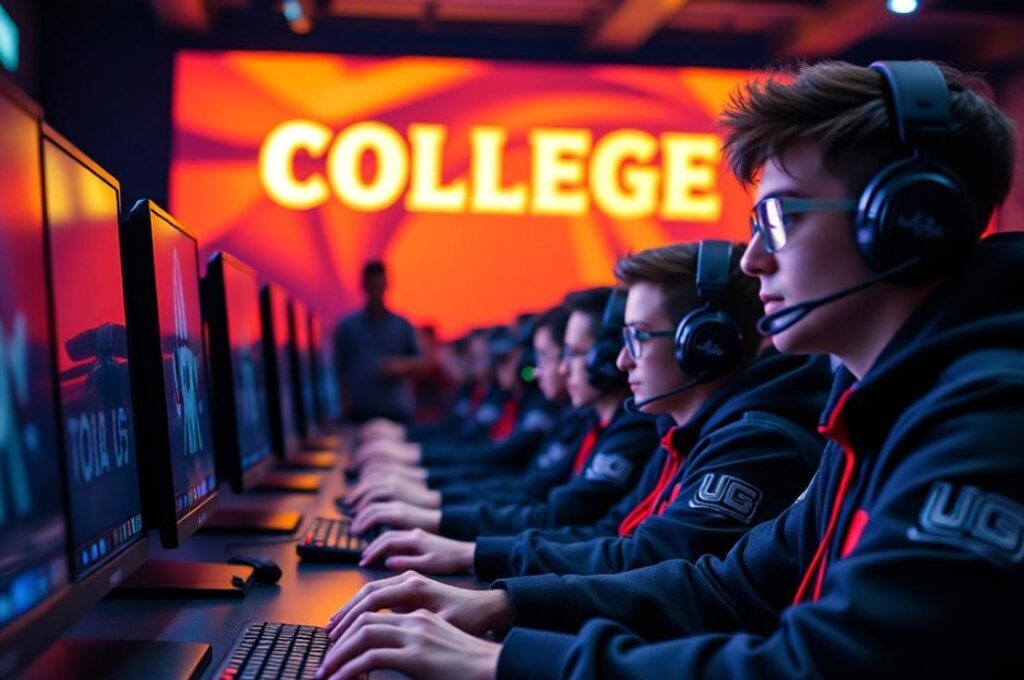
The Popularity of College Esports Programs
College or collegiate esports programs have changed from student clubs into sophisticated training systems. Over 175 US universities now offer esports scholarships, creating structured pathways similar to traditional sports. This evolution has attracted attention from various sectors, including platforms like Bizbet, where collegiate competitions now generate significant user engagement. The rapid growth mirrors the development patterns seen in traditional college athletics during the 1970s and 1980s, with similar institutional structures emerging. The AsamiGames team encourages and supports modern college esports initiatives in the United States.
Infrastructure Growth And Educational Integration
Colleges throughout North America and Asia have poured millions into building special computer entertainment zones. Since 2016, the University of California Irvine has operated its esports arena, while today more than 100 educational institutions possess first-rate training spaces. The facilities offer analysis equipment along with trained staff and academic support. College esports facility development shows this growth mirrors traditional athletics department expansions from previous decades.

The academic integration goes beyond competition spaces:
- Full-tuition scholarships for competitive players across multiple game titles;
- Academic programs in game design, esports management, and digital marketing;
- Performance nutrition and mental health resources tailored to esports athletes;
- Analytics departments for game strategy and player development;
- Media training and brand development for student athletes;
- Medical staff specializing in esports-related health concerns;
- Academic advisors focusing on gaming-industry career paths.
Harrisburg University develops successful sports teams alongside its gaming business curriculum. Their esports management degree programs achieved a high 90% success with job placements because companies need graduates from this special area of study.

Talent Development and Professional Pathways
Colleges now act directly as professional league entry points. University training produces better player development than amateur circuits since its organized system shows better results.
Collegiate to professional esports transitions reveal that players coming from collegiate programs have 40% longer average career spans.
The player development system follows established training methods taken from sports to help players grow. Statistics about player performance and planned training sessions, and meetings help coaches track player skill changes. The official way of training draws professional teams who want reliable sources of good players.
Big esports teams have constantly checked out college games since they found professional players from universities across North America in 35% of their rosters. Since 2018, dedicated recruitment systems for university talent have continuously increased college players joining professional teams.

Market Expansion and Statistical Analysis In Collegiate Esports
Researchers now study how well college esports teams perform because of tracking statistics. People now use player effectiveness scores, team-synchronizing numbers, and performance prediction formulas to track college esports data. These standardized performance data enable teams to be compared between university programs and college divisions.
The use of statistics rose at the same time rankings began for college esports programs. The systems analyze team results plus player and tournament numbers to rank teams. The exact performance data from esports lets analysts study results better than/basic metrics do for traditional sports.
Academic reports expect that at least 300 colleges and universities will establish esports scholarship awards before 2026. More positions are becoming available for video game players, coaches, and analysts due to this growth, which builds a clear path for success in esports.
Program managers allocate their budgets each year, and their spending increases by about 30% from 2021 until 2024. Top universities put athletic funds at the same level as official Olympic events because they see strong future growth in this field. This established foundation helps all parts of collegiate esports development keep moving forward.