How to Follow the Oathbreaker Paladin Path in BG3?

The Most Interesting Subclass – Oathbreaker Paladin in BG3
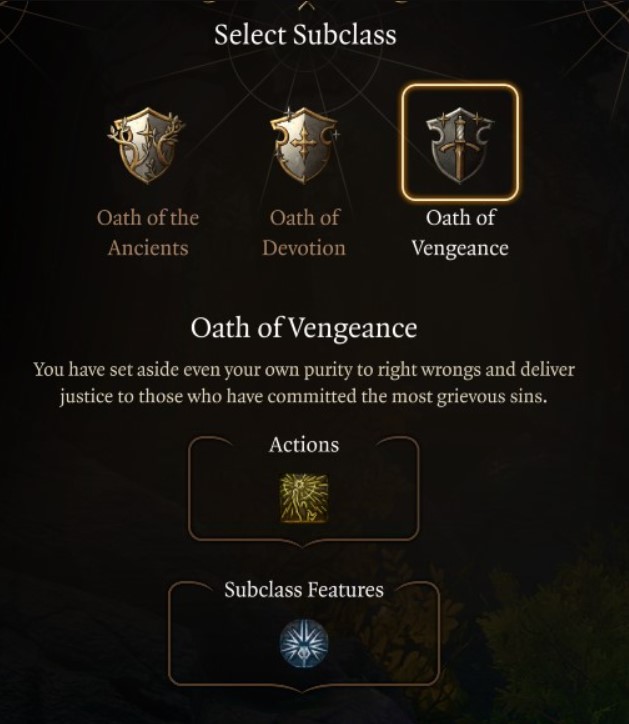
Baldur’s Gate 3, released by Larian Studios on August 3, 2023, stands as a monumental RPG following the rules of Dungeons & Dragons’ 5th Edition (D&D 5e) mechanics. The game combines rich storytelling and player involvement. Among its 12 classes and 46 subclasses, the Oathbreaker Paladin build offers a unique twist—a holy warrior forsaken by their sacred vows eventually gets the necrotic power in defiance of divine order. When a character first picks either the Oath of Devotion, Ancients, or Vengeance during the character creation, it remains their only oath. However, oathbreaking leads to becoming an Oathbreaker who develops newfound dark spells that blend powerful mechanics with engaging story elements.
The Asami Games will tell how to follow the path of Oathbreaker Paladin in BG3. We will dissect its mechanics from Levels 1-12, exploring optimal builds, evaluating its role in combat and story, and weighing its pros and cons against other subclasses.
How to Start the BG3 Oathbreaker Paladin?
At level 1, the BG3 Paladin Oathbreaker build remains unavailable until you swear an oath at level 2 and choose to break it. Your decision to shatter the oath in BG3 depends on which of its main principles you violate during gameplay. For example:
- Showing devotion to God means not killing harmless people, including your attacks against Tieflings at the Grove, which breaks both rules of Honor and Compassion;
- When you let Minthara destroy the Grove of Midnight, you break both the Light of Nature and Spirit of Life in your Oath;
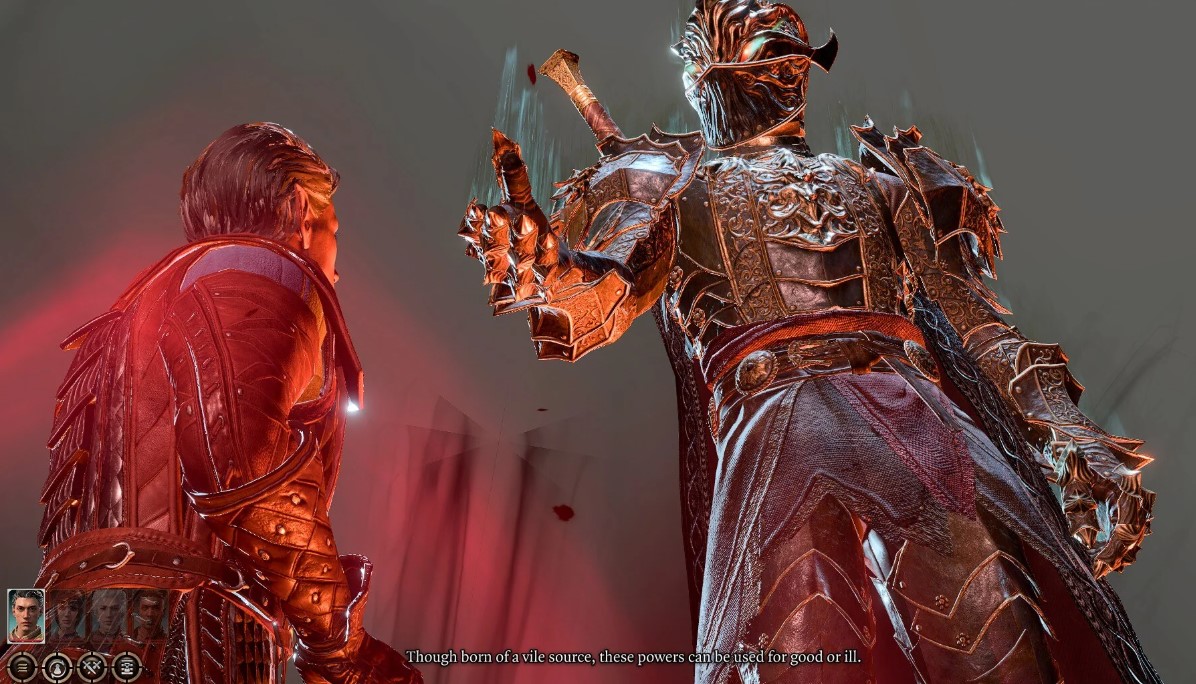
Those gamers who took an Oath of Vengeance must follow through with their enemy death pledge. The Oathbreaker Knight appears at camp to judge your violation of the oath and offer atonement or eternal punishment. You can redeem your Oathbreaker Paladin BG3 path when you pay 1,000 Gold now or 2,000 Gold later, at your choice, to restore your original oath. Only in BG3 can players set this subclass behind roleplay because the game offers specific requirements in addition to existing D&D 5e rules.
In case you choose to break the oath, your party companions will react viscerally and differently:
- Lae’zel admires your brutal actions when you work to achieve her goals;
- Shadowheart approves when you go against religious rules, even the ones linked to Shar;
- Astarion supports your chaotic actions and wants you to reach more authority;
Key moments of this arc:
- A Devotion Paladin who slaughters the Grove begins their descent into darkness and sets the story in a bleak direction. The visit from the Oathbreaker Knight resembles a Shakespearean ghost as it simultaneously chases and guides your path;
- The Blight and Fear spells against Shadowlands enemies illustrate your tie to the dark curse at work in the region;
- Your journey down the path of Oathbreaker comes to a logical conclusion when you confront Raphael or Orin that matches the turning point of their fiendish plans;
Being an Oathbreaker in roleplay means your decisions will face unclear moral consequences. As an Oathbreaker, you face an ethical choice between saving yourself or destroying others. Although Oathbreaker Blizzard pickers do not have their specific lines to reply to NPC requests, they can differentiate themselves through dark magic and control of undead forces.

Strengths and Weaknesses of Oathbreaker Paladin During Combats
1) Strengths:
- The Paladin’s spells offer both combat power through martial strikes and control with fear and darkness, along with undead summoning methods. The Aura of Hate power grows stronger when you have more CHA and undead allies, according to the fan-made website;
- With Level 11 GWM Smite at maximum power, this class can output more than 60 points of damage (2d6+10+4d8+STR), which matches Rogue sneak attacks but is exclusive to this discipline;
- The combination of strong armor defense and healing powers from Lay on Hands, together with high Shield Block, acts as a powerful protection wall for the Revenant.
2) Weaknesses:
- At Level 12, the cleric needs nine available spell slots since they can use them solely for Smite and spell casting. The Smite casting feature can stay with multi-classing yet sacrifices its power enhancement options;
- Using Aura of Hate with normal allies provides a temporary Charm bonus to damage but no special advantages compared to living allies.
- The starting stages of an Oathbreaker Paladin from Act 1 heavily depend on their two base abilities Smite and Spiteful Suffering;
3) Against other Paladins:
- Devotion – Better buffs (Sacred Weapon), weaker control;
- Ancients – Superior AOE (Moonbeam, Aura of Warding), less damage;
- Vengeance – Stronger single-target (Vow of Enmity), less utility;
The Oathbreaker Paladin path offers the best flexibility since its expert control over damage while summoning allies improves its effectiveness among many players.

Unique Oathbreaker Paladin Spells
After replacing traditional Paladin spells and Channel Oath spells, the DnD Oathbreaker Paladin provides necrotic options that strengthen control damage and undead coordination.
Here’s a level-by-level breakdown of Oathbreaker Paladin:
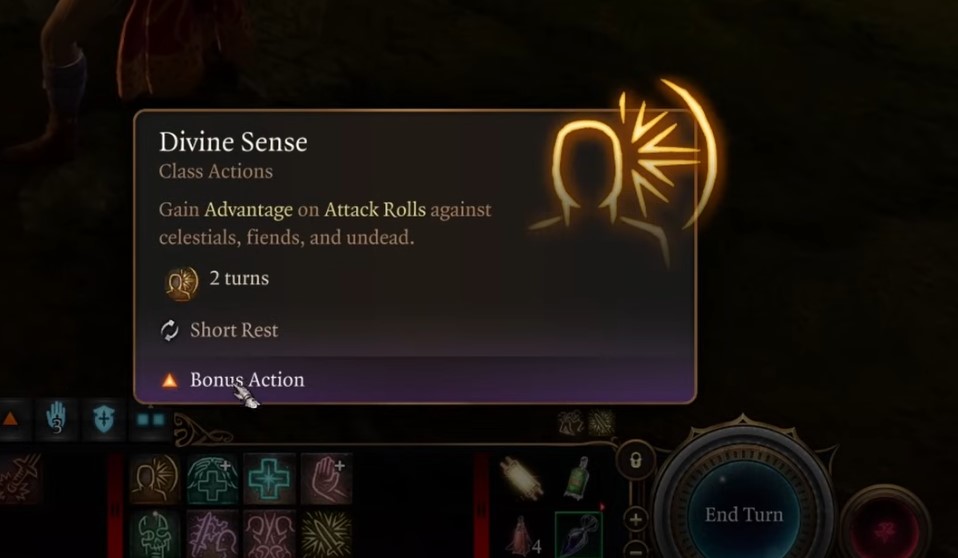
- At Level 1, a Paladin starts with Lay on Hands Divine Sense and can use their strength modifier to damage with their weapon. No subclass features are accessible for now;
- At Level 2, you gain Great Weapon Fighting style and two additional spell slots. Oathbreaking occurs here or later;
- Level 3 (Oathbreaker Unlock). Hellish Rebuke (reaction fire damage), Inflict Wounds (1d10 necrotic, scales +1d10 per slot). When you activate your oath, the curse deals 1d4 necrotic damage per turn and makes attacks harder for 3 turns using one proficiency bonus;
- Level 5. Your magic allows you to cast Darkness that makes enemies miss their mark, and Crown of Madness compels enemies to attack their allies. One action now produces two attacks;
- Level 7. When you fight enemies and the undead that stand within 10 feet, you will boost the melee damage you do by your CHARISM modifier. During Level 18 play, this effect reaches up to 30 feet but ends at Peak 12 in BG3. Oathbreaker gains the abilities Bestow Curse and Animate Dead to damage enemies;
- Level 9. This wizard creates frightful feelings by FEAR and spreads necrotic harm through BLIGHT, adding one harm increment per slot;
- At Level 11, Oathbreakers receive +1d8 additional radiant damage from each melee strike;
Any Oathbreaker Paladin build in BG3 applies CHA to spell defense and aura effects differently than official D&D 5e prepared spells. The game confines players to their chosen oath spells. The Warlock class makes CHA more powerful when teamed up with Oathbreaker, but the kit itself uses CHA effectively alone. Check this video with all the available spells for the Oathbreaker Paladin path at all levels.

Important notice! Oathbreaker functions best when deployed on the frontline to deal with damage and restrain opponents. Spiteful Suffering keeps one opponent immobile while Aura of Hate massively boosts melee strength and summons, and Fear stops whole groups. The Divine Smite power at level 11 adds its 2d6 +4d8+STR damage along with Improved Smite for massive attack damage.
Popular Oathbreaker Paladin BG3 Build Options
You may level up the perfect BG3 Oathbreaker Paladin build by juggling the spells and storylines with every new walkthrough. However, if you want to construct something really useful out of this path from the first try, you may pick popular builds for Oathbreakers.
1) Great Weapon Master (GWM) Oathbreaker
- Stats – STR 16 (15+1 racial), DEX 10, CON 14, INT 8, WIS 10, CHA 16 (15+1). Half-Orc or Human recommended;
- Fighting style – The Character Uses Great Weapon Fighting (rolls 1s and 2s to damage dice become 2s and 3s);
- Feats – Great Weapon Master (Level 4), Sentinel (Level 8), +2 CHA (Level 12)ж
- Gear. The character wears Helldusk Armor to fight fire with fire and gain 15 health points while Bloodthirst boosts critical strikes, and Balduran’s Giantslayer provides double STR combat enhancement against Large opponents;
- Playstyle. By boosting Strength and Charisma, you enhance the Aura of Hate damage (+4) and the Smite effect. The Fire Giant Slayer attacks better against enemies who benefit from fighting in pairs through GWM. Spam Animate Dead to cast it multiple times during combat and increase the damage of your undead summoned allies with a +4 bonus;

2) Control Oathbreaker
- Stats – STR 14, DEX 12, CON 14, INT 8, WIS 10, CHA 17 (15+2). Tiefling gives access to Hellish Rebuke effect on the Defense line. Or Drow offers the benefit of Darkness.
- Fighting Style – Defence (+1 AC);
- Feats – At Levels 4, 8, and 12, this build unlocks War Caster and 2 CHA bonus and Resilient skill enhancements;
- Gear. Such a build uses Adamantine Splint Armor for ideal critical resistance and wears an Amulet of Greater Health with CON 23. For spellcasting, the character wields a Staff of Spellpower with additional spell slots;
- Playstyle. Concentrate on improving your CHA to 20 at Level 12 for effective spell defense. Fear and Crown of Madness stop crowds, but Spiteful Suffering turns hostile bosses weak. Fight with a longsword and shield with at least 20 points of armor class defense while taking damage with Aura of Hate enhancing summoned defenses;
3) Multiclass Fiendbreaker (Paladin 7/Warlock 5)
- Stats – STR 14, DEX 10, CON 14, INT 8, WIS 10, CHA 17 (15+2). Choose Duergar or Githyanki;
- Fighting style – the build uses the advantages of Paladin level 7 with Aura of Hate and Fiend Warlock level 5 with Pact of the Blade and Fireball established.
- Feats – Polearm Master (Level 4), +2 CHA (Level 8);
- Gear. The build will benefit from using a Devotee’s Mace that includes Healing Word along with a Risky Ring granting attack advantage and a Coruscation Ring capable of de-buffing foes with Radiant Orb;
- Playstyle. The Warlock-slotted abilities gain recharge power during short rests, which enables Smites. The Pact of the Blade weapon bond activates whenever brandishing a glaive that activates Polearm Master Enhancements and converts all damage to CHA-based magic through its Aura effect. Using Fireball destroys the trash enemies, but bosses die from Blight and Smite attacks;
The late-game power of your build significantly strengthens when you get Helldusk Armor from the Nautiloid crash site and Bloodthirst, which drops at Cazador’s lair. During the initial stages, get the Everburn Blade from the Act 1 Nautiloid area or Adamantine equipment from the Grymforge region.
How to Enhance the Oathbreaker Paladin with Mods on PC?
- The 5e Spells Mod provides two additional abilities, including the Spirit Shroud spell or the Summon Undead spell, which intensifies the necrotic presence in games;
- Paladin Expanded mod unlocks Level 13+ features (e.g., Aura range increase), though rare in BG3’s cap;
- The player can create personal items such as necrotic-enhancing equipment, including the “Ring of Blight” which provides +1d8 Blight damage;
The mods do not change the subclass base features, yet they improve their specific abilities to address the needs of min-maxing players.
Is It Worth Investing Time And Efforts In Oathbreaker Paladin After Patch 8?
While we are still waiting for the final release of Baldur’s Gate 3 Patch 8, it seems that the Oathbreaker Paladin path still shines for a few reasons, even in 2025:
- The class excels at causing high damage through Smite and Aura combined with Fear-spell control along with useful summoning abilities that improve its combat abilities.
- The backstory about its decline provides useful roleplaying tools that fit perfectly within evil campaigns and morally ambiguous playthroughs.
- Within all subclasses of Paladins, the Oathbreaker stands alone by uniting necromancy with martial combat to present players with an original Paladin experience.
Yet, this path is not perfect. Early-game grind, slot scarcity, and situational Aura of Hate temper its dominance. The Oathbreaker Paladin shows balanced performance rather than being the absolute best, according to PC Gamer, even though it surpasses Vengeance and Ancients in certain aspects.
The Oathbreaker Paladin is currently a highly sought-after feature of Baldur’s Gate 3’s extensive gameplay selection as of March 8, 2025. The Oathbreaker Paladin uses its unique spells to destroy enemies through Smite and Fear and to strengthen unholy power with Aura of Hate through undead control.
The Oathbreaker Paladin path is rather challenging because it requires dedication from players who need to wait until high levels to reach its apex. The Oathbreaker provides the ideal selection for players who seek both ruthless combat power and mystical dark topics in the game. This Paladin path dares you to accept the shadows because its gameplay allows you to create a legendary history within the setting of Forgotten Realms.
Frequently Asked Questions
Is Oathbreaker Paladin good in BG3?
The Oathbreaker stands as a powerful character choice within Baldur’s Gate 3. An Aura of Hate from this class strengthens melee damage that affects both you and other friends or the undead controlled by your Charisma attribute level. The Oathbreaker makes its strength from Animate Dead and Hellish Rebuke alongside excellent AC defense and smite attack capabilities for both sustained protection and burst offense. The Oathbreaker Paladin excels in an evil campaign and conflicts with good party members. You should also check the Reddit discussion about the BG3 Oathbreaker Paladin choice.

What is the most powerful Paladin subclass in BG3?
The Oathbreaker subclass stands as the most effective Paladin choice in Baldur’s Gate 3. The Oathbreaker exploits Aura of Hate more effectively than Devotion or Vengeance to boost ally and undead or fiend damage outcomes, thus validating its superior combat potential.
During evil campaigns, the Oathbreaker Paladin dominates battles with its necrotic magic and spell castings that include Dreadful Aspect. The Oathbreaker Paladin’s teamwork capabilities, together with its flexibility, make it superior to Vengeance, even though Vengeance demonstrates stronger boss-fighting potential.
What is the best race for Oathbreaker Paladin Baldur’s Gate 3?
The Drow is a great pick for the BG3 Oathbreaker Paladin build. The dark-themed campaign benefits from Superior Darkvision where Fey Ancestry protects against charming effects, which frontline fighters need for resistance. The Drow Magic (e.g., Darkness) features match well with the subclass’s nefarious personality, and it strengthens Charisma-based spells. The Drow race proves superior to Tieflings since its utility features together with its deep lore enrichments.
How does the Oathbreaker Paladin path fit into the party synergy?
The Oathbreaker Paladin enhances party synergy in BG3, especially in evil runs. The Aura of Hate from this Paladin enhances both Karlach’s melee attacks and Wyll’s spellcasting. Also, this subclass helps the Animate Dead of Gale to deliver the maximum Area of Effect damage. The Oathbreaker Paladin chooses best with either Minthara-oriented or Absolute-compatible selections to open new interactive possibilities for dialogue and acquire special loot. “Good” campaigns require creative ways to break oaths, such as saving Alfira, so players can create redemption stories that align with their team dynamics, and their dark power remains in balance.
Conclusion
IMHO, the path of Oathbreaker Paladin build in BG3 is one of the most interesting ones, especially for game veterans. If you liked this article, then make sure to bookmark the Asami Games website. We will post more guides about Baldur’s Gate 3 builds and secrets. Keep on reading!