How to Solve Any NYT Connections Game?

NYT Connections – A Hit Browser Puzzle With a Twist
The New York Times Connections game has taken the puzzle world by storm. It became a daily ritual for word game lovers. If you’re new to Connections or struggling to crack those tricky purple categories, don’t worry! With 16 words to sort into four groups of four, NYT Connections tests your ability to spot patterns, think creatively, and avoid traps.
Connections is a daily word puzzle where you group 16 words into four categories based on a shared theme. It sounds simple. However, the challenge is all about finding the exact connection since the presented words can fit into multiple groups – but only one solution is correct.
The game uses a color-coded difficulty system:
- yellow (easiest);
- green;
- blue;
- and purple (hardest).
You get four mistakes before the game ends, and a new puzzle drops every midnight. No matter if you’re playing on your phone or computer, NYT Connections is free and endlessly replayable.
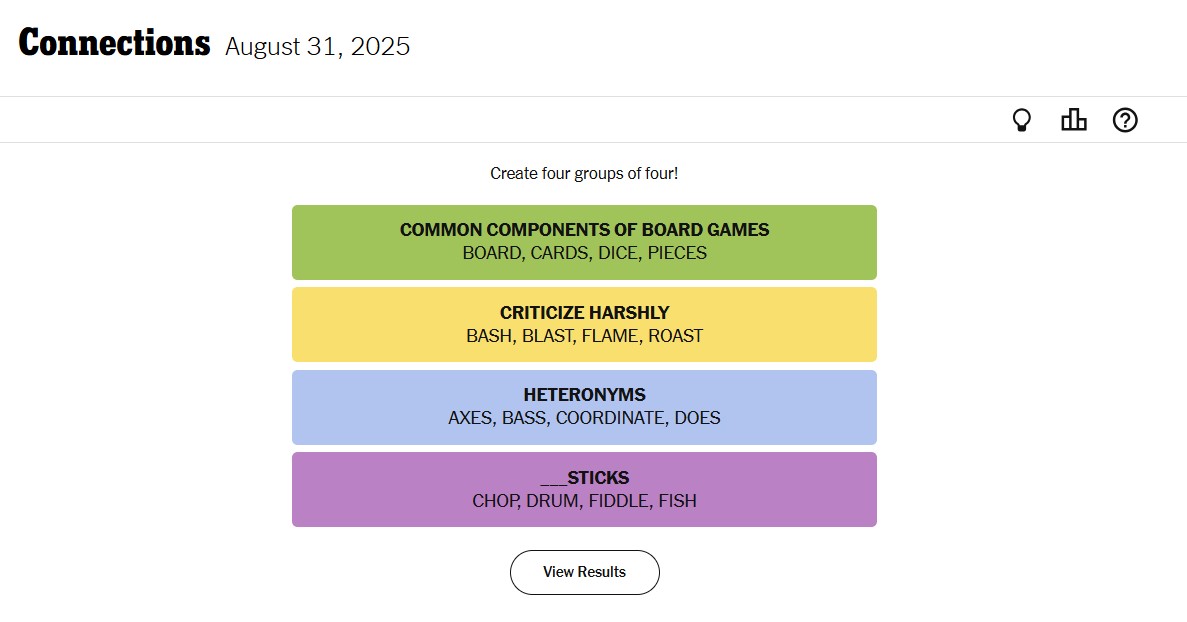
The thrill comes from cracking a tough category or sharing your results on social media to compare with friends. But to get there, you need a plan. And the AsamiGames team will explain tips and strategies relevant to NYT Connections.
Master the Basics to Become a Pro
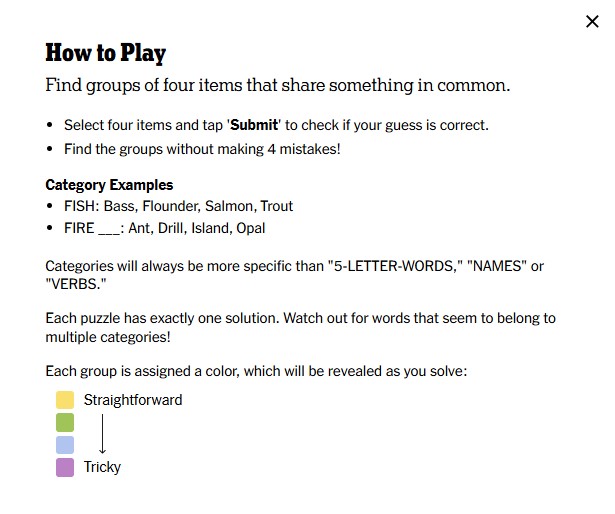
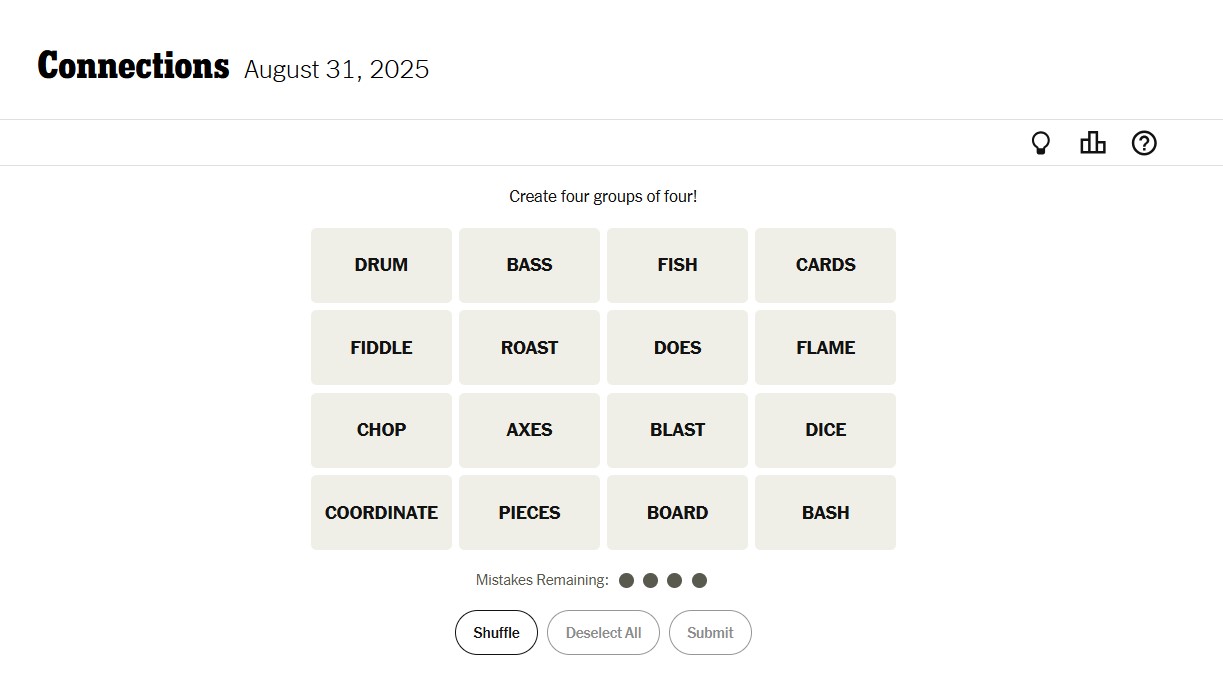
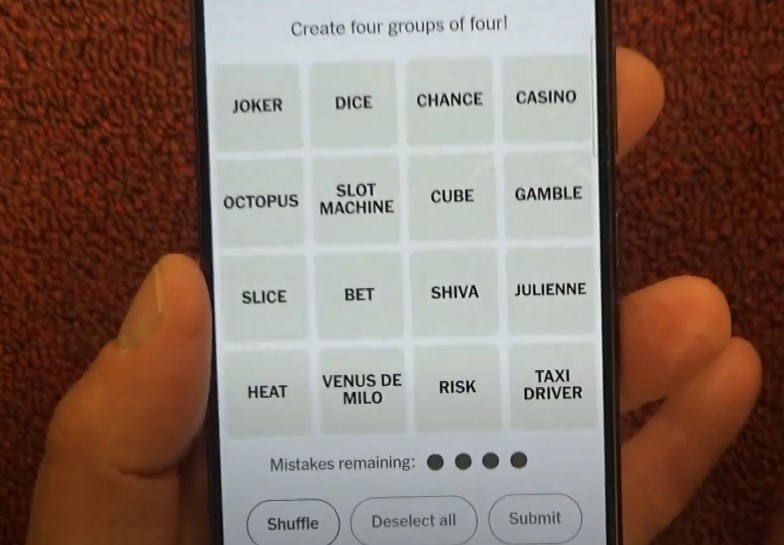
Each puzzle gives you a 4×4 grid of words. Your job is to find four groups of four words that share a “common thread”, a.k.a. “connection”. These threads could be anything: types of fruit, movie titles, or even words that sound like animals. The game provides hints to guide you, but you’ll need to think critically to solve the puzzle in four or fewer tries.
We recommend approaching the solution in NYT Connections:
- The Shuffle button rearranges the words so players can get another angle or have an instant idea. If you’re stuck, a fresh layout after shuffling might reveal connections you’ve previously missed.
- Start with the yellow or green groups. These groups are usually the easiest and most straightforward. Solving them first builds momentum and reduces the word pool for harder groups.
- Pay attention to feedback. When you select four words, the game tells you if you’re correct or “one away” (meaning three of your words are right). Use this to tweak your guesses.
Using Hints like a Pro
Connections hints are your lifeline. They come in three flavors:
- category hints (e.g., “thirst quencher” for water sources);
- word-based hints (one word from each group);
- pattern-based hints (describing the type of connection, like “sequence”).
To make the most of these hints, you need to:
- Identify the hint type. Is it a theme, a single word, or a pattern? For example, “Hut Hut” suggests football actions, while “To notice” might point to observation-related words.
- Focus on the clearest hint. One hint is usually more obvious than the others. Solve that group first to narrow down the remaining words.
- Think beyond the obvious. Hints can be tricky. A word like “baby” might seem like it belongs to a “young things” group, but could be part of “Shades of blue” (e.g., baby blue).
We also recommend watching this video where the NYT Connections expert explains the solution to daily puzzles.
Advanced Strategies for Blue and Purple Categories
Once you’ve nailed the easier groups, the blue and purple categories may feel like an unbreakable wall. These categories often involve wordplay, cultural references, or obscure themes. This is how you should act strategically:
- Look for wordplay. Purple groups often involve puns, prefixes, or suffixes. For example, a group with “DON, LEO, MIC, RAP” might seem random but connects as the starts of Teenage Mutant Ninja Turtles’ names.
- Use cultural knowledge. Many categories reference pop culture, sports, or history. If you see words like “GINGER” or “JOLLY”, think of phrases like “Jolly Roger” or “Ginger Rogers”. Cultural references are used all the time in such puzzles, so make sure to check the current trends on social media.
- Test partial groups. If you’re confident about three words in a group, try different fourth words. The “one away” feedback will guide you to the right answer. After all, you have the right to make 3 mistakes before the final blow.
Avoid Common Mistakes
Even veteran players can trip up. That is why you should always be aware of such traps:
- Falling for “red herrings”. Words often seem to fit multiple groups, but only one combination is correct. Double-check before submitting.
- Ignoring the purple group’s complexity. Purple categories are rarely straightforward. They might involve rhymes, sequences, or niche references.
- Rushing your guesses. With only four mistakes allowed, take your time to analyze hints and word combinations.
How to Solve NYT Connections Puzzle – A Real Example with Explanation
As an example, we will show how to solve a real puzzle (#768) posted on the official website of The New York Times. By the way, each puzzle gets a detailed explanation in the category Connections Companion. Though we encourage you to go to this page as a last resort if you can’t see the logical connections among words in groups even after getting a proper solution.
This puzzle had typical color-labeled groups as shown in the table below.
| Group Color | Hint | Words | Connection |
| Yellow | Thirst quencher | RAIN, SPRING, TAP, WELL | Sources of drinking water |
| Green | Hut Hut | PASS, PUNT, SNAP, SPIKE | Football actions |
| Blue | A hook up | BRAD, NAIL, PIN, TACK | Sharp fasteners |
| Purple | Cowabunga! | DON, LEO, MIC, RAPH | Stars of Teenage Mutant Ninja Turtles |
So, how to solve it? Here is what you could do to make this puzzle logical and simpler to unlock:
- Start with the yellow group (“Thirst quencher”). Words like TAP and WELL are obvious water sources, so group them with RAIN and SPRING.
- Move to the green group then (“Hut Hut”). Football fans might spot PASS and PUNT quickly, then deduce SNAP and SPIKE.
- For the blue group (“A hook up”), think of physical objects. BRAD, NAIL, PIN, and TACK are all sharp fasteners.
- The purple group (“Cowabunga!”) is tricky. If you know Teenage Mutant Ninja Turtles, you’ll recognize DON, LEO, MIC, and RAP as their name starters.
Does Practice Make It Easier and Faster?
NYT Connections is a game of pattern recognition and creative thinking. So, yes, just like with shooter games or crossword puzzles, the more you play, the better you will eventually get at spotting even subtle connections between groups of words. We encourage you to try these habits:
- Consistency is better than occasional successful runs. Play daily to recognize common themes and hint styles.
- Participate in the community. Share and discuss your results on social media. Discuss strategies on Reddit or X.
- Review past puzzles using the Connections Companion or analyzing the archives (if you own a NYT subscription).
Conclusion
What do you think about games like The New York Times’ Connections, Wordle, Tiles, and Spelling Bee? They are worth cracking out daily because it is a great brain-twister. In my opinion, NYT Connection is more than just a browser-based online game; it is an awesome brain workout because it’s both rewarding and fun. Keep practicing, and you will see how your skills grow day after day.
If you like this type of content, please support the website of AsamiGames by sharing and bookmarking this page. We will continue to post interesting and useful posts for fellow gamers!